
Wrought Iron Restoration: Honouring Craft, Preserving Quality
Restoration of historical ironwork is such an important thing, to preserve the work of our ancestors for future generations to enjoy.
Wrought ironwork has such a deep history in the united kingdom and is completely unmatched in quality compared to most of modern day architectural metalwork, sadly too many times have we seen hand forged quality butchered or replaced with powder coated box section or cold bent items of poor quality because the client architect/client knew a “metal worker” When restoring ironwork you have to carefully select the right material for the job, copy the style of the product not “your” style or whatever they had in the book, hand forged quality needs to be restored by a professional Blacksmith.


Our Policy on Restoration Work
- Our policy on restoration work is to preserve as much of the original work as possible, only replacing details which are beyond repair.
- The reproduction of the damaged article is to match the personal style and working technique of the previous smith and ensure all possible steps are taken to protect the ironwork from future corrosion.
Selecting the Right Restorer
- When selecting someone to undertake the restoration and / or conservation of any item, the first thing you must do is ensure that they are qualified for the job.
- Too many times have we seen badly restored ironwork because the restorer didn’t know or understand what he/she was doing. You can be sure that we do and that we take great pride in our craft.
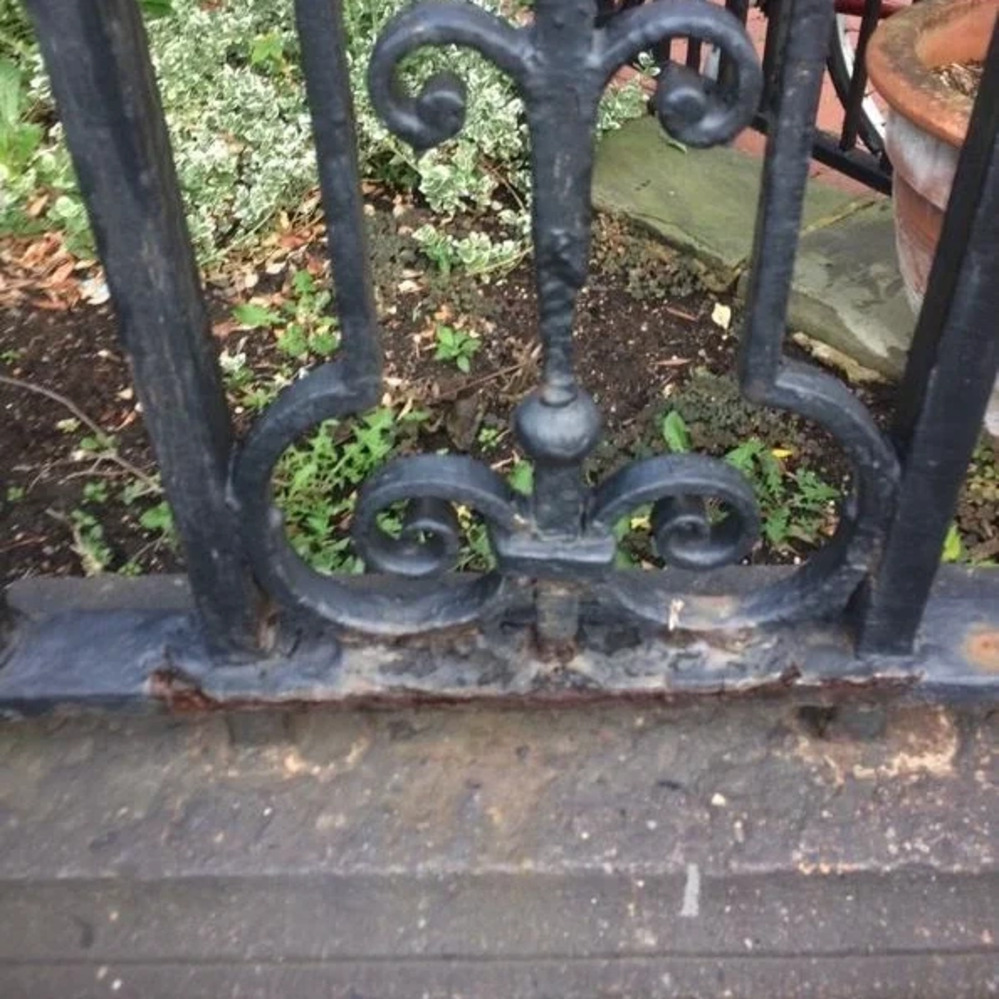

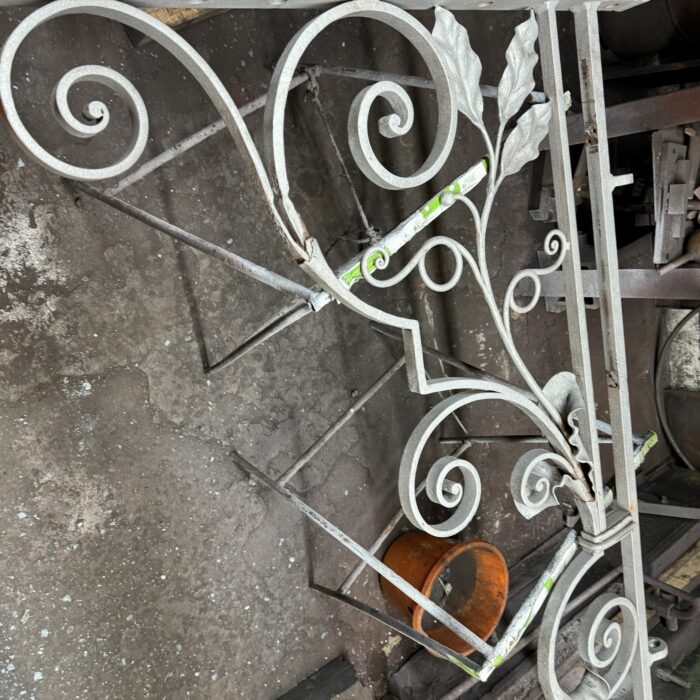
Ironwork Restoration – Key Factors
-
When looking at restoring a piece of ironwork, there are a few things you have to consider
- Age
- Material – is it cast iron or wrought iron? (charcoal iron or puddled iron?)
- Design – has the design contributed to the article’s deterioration?
- Construction – are there any unusual methods of joining?
- Any exceptional aesthetic qualities?
-
All of these factors are used when it comes to the restoration / conservation of the piece of ironwork.
Like-For-Like Iron Restoration
- It is essential that the “like for like” process is used. For example, if you’re restoring a Grade I listed set of gates made of wrought iron, all repairs carried out will need to be done in wrought iron. Any new components forged should replicate the original method of construction, form and detail – and should be discreetly stamped with a maker’s mark and dated.
- Any restoration carried out on listed ironwork should be recorded and documented, all repairs stated and the processes used. All new components stamped, recorded & photographed for future reference, a copy given to the client/ trust(s) and a copy held by Darenth Valley Forge.


